Everything to Know about Medical Device Design Engineer
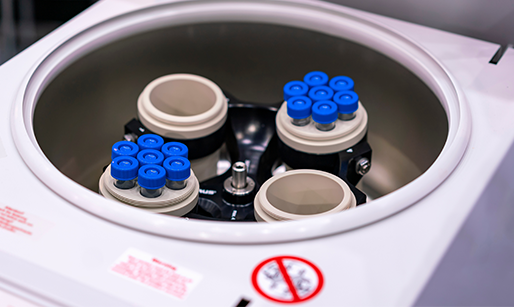
Medical devices, from simple walking cane to sophisticated MRI machinery, share a common goal: to address healthcare concerns and enhance individuals' overall quality of life and well-being. The development of these devices involves a remarkable blend of innovation and practicality, encompassing crucial aspects like design, functionality, manufacturability, and safety.

The engineering behind medical devices is a testament to human ingenuity and the pursuit of advancements in healthcare. These devices are meticulously designed to cater to the unique needs of patients and healthcare professionals alike. Medical device design engineers are at the forefront of innovation, working tirelessly to meet the ever-evolving healthcare sector demands.
The healthcare industry increasingly relies on technological innovations to improve patient care and outcomes. This dependency on technology fuels the demand for medical device design engineers who can design and develop cutting-edge medical devices that incorporate emerging technologies like artificial intelligence, robotics, telemedicine, and wearables. Consequently, medical device design engineer jobs have increased in recent years due to the continuous advancements in medical technology and the increasing focus on healthcare innovation.
The fast-growing medical industry offers aspiring design engineers an exciting and fulfilling career path. This blog will explore the world of medical device design engineering and why it is an ideal career choice in today's dynamic healthcare landscape.
Medical Device Engineering: What Exactly Is It?

Medical device engineering, encompassing the design and manufacturing of various medical devices used in healthcare, is critical in improving patient care and advancing medical technology. This field covers a wide range of devices, including mobility aids like wheelchairs and walkers, individual diagnostic devices such as blood glucose monitors and blood pressure cuffs, large-scale diagnostic machinery like X-ray scanners, MRI, and PET, as well as innovative drug delivery systems like microdevices and nicotine patches.
Professionals in this field, often known as medical device engineers, biomedical engineers, or bioengineers, can work in government agencies, private corporations, laboratories, and healthcare facilities. As per the U.S. Bureau of Labor Statistics, approximately 16% of bioengineers are employed in medical equipment and supplies manufacturing, while another 16% work in research and development departments of engineering and life sciences organizations.
What Do Medical Device Design Engineers Do?
In addition to their primary role in medical product design and development, medical device engineers have a range of additional responsibilities that contribute to the overall success of their projects and the safe and effective use of medical devices. These responsibilities include:
- Software Development: Medical device engineers are often responsible for developing the software required to operate medical devices and other technological innovations. They design user interfaces and program control systems and ensure seamless integration between hardware and software components.
- Maintenance and Repair: Medical device engineers handle medical device installation, maintenance, and repair. They ensure devices are properly functioning, calibrated, and meet quality standards. In case of malfunctions or issues, they troubleshoot problems and perform necessary maintenance or coordinate with technical support teams.
- Training and Education: Medical device engineers are pivotal in training medical staff on the correct usage, maintenance, and safety protocols associated with their design devices. They provide comprehensive training sessions and develop educational materials to ensure healthcare professionals are proficient in operating and maintaining the devices.
- Research and Investigation: Medical device engineers conduct thorough research and investigations before commencing the design process. They study how the proposed product will interact with the human body, consider regulatory requirements, review existing literature, and analyze data to inform their design decisions.
- Collaboration and Teamwork: Collaboration is essential to a medical device engineer's role. They work closely with scientists, medical experts, clinicians, and people of mechanical engineering in medical device design that meet the required specifications and effectively address healthcare challenges. Effective communication, teamwork, and interdisciplinary collaboration are crucial for successful outcomes.
- Testing and Quality Assurance: Medical device engineers are involved in rigorous testing and quality assurance of devices to ensure their safety, reliability, and efficacy. They collect and analyze data, conduct experiments, and apply their findings to refine and improve product design. Adhering to regulatory standards and industry best practices throughout the testing process is paramount.
- Communication and Documentation: Medical device engineers document their work by publishing findings in white papers and journals, presenting research outcomes to stakeholders, and developing user manuals and other documentation. Clear and concise communication is vital to convey complex technical information effectively.
Medical Device Design Engineer Salary

The field of medical device engineering, which falls under the occupation category of biomedical engineers and bioengineers, offers promising career prospects. As per the Bureau of Labor Statistics data, the median annual wage for engineers in the medical equipment and supplies manufacturing industry was $97,410 in 2021. It indicates that medical device engineers can enjoy competitive salaries in their profession.
Furthermore, the BLS projects a steady growth of 10% in demand for all bioengineering occupations, including medical device engineering, between 2021 and 2031. One significant factor driving this growth is the aging population in the country. As people live longer and maintain active lifestyles, there is an increasing demand for innovative products that medical device engineers create. This trend reflects the rising need for medical devices that enhance healthcare, improve quality of life, and support aging individuals in their daily activities.
The positive employment outlook in medical device engineering makes it an attractive career choice for individuals interested in the intersection of engineering and healthcare. With the projected growth in demand and medical device design engineer jobs on the rise, there will likely be ample opportunities for aspiring professionals to contribute to developing and advancing medical devices.
Conclusion
Medical device design engineering holds immense significance in the contemporary healthcare landscape, critical in diagnosing and treating medical conditions. These devices are instrumental in monitoring vital organ functions, facilitating precise surgical procedures, and ultimately saving lives. With ongoing technological advancements, medical device engineers constantly push the boundaries to design sophisticated and dependable medical products.
Skill-Lync's Product Design and Development for Engineers course can be an ideal starting point if you aspire to be a part of this dynamic and rewarding field. This comprehensive course equips aspiring engineers with the knowledge and skills necessary to excel in medical device engineering. The course covers the entire product development lifecycle, from concept development and design principles to prototyping and testing.
Embark on this transformative journey with Skill-Lync and become part of a field that blends engineering expertise, healthcare innovation, and a profound commitment to improving lives. Contact us for a live demo of the course.